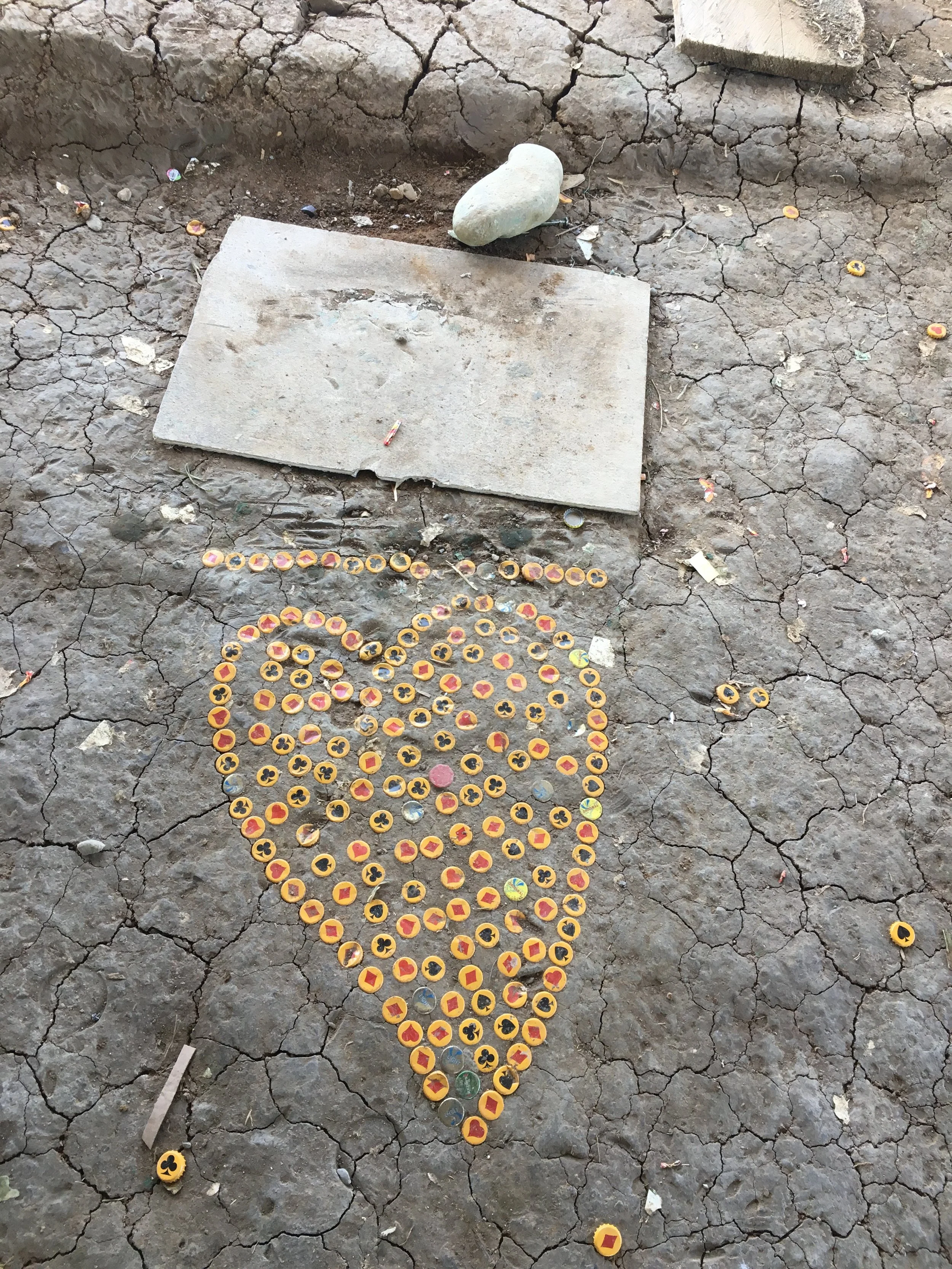
This project emerged from our work with communities affected by violence. Over the past two decades, as humanitarian practitioners and academic researchers, we have worked with people affected by war. In these encounters, people have trusted us with stories of the harms they suffered. They have also trusted us with stories of what they love. Those stories—of the relations and practices that sustain life—had received far less attention in our work until recently.
This project seeks to change that. We have spent three years researching how love and care help people imagine their lives and remake their worlds in the wake of loss.
In Colombia and Uganda, we have returned to our long-time research interlocutors to see how we might understand what they lost differently if we ask about what they loved.
In Scotland, we have explored what it means to love a place and what duties flow from that love by spending time in the company of people who pay close attention to various forms of life, from birds and trees to what washes up on the shoreline.
In Germany, we have researched how forced migrants experience and (re-)define home and belonging through the lens of care.
We understand love and care as active practices—as something that people not only feel, but also do. We are interested in all configurations of love and care, from the intimate and familial to friendship and what it means to love a place or care for nature.
While we remain committed to our work with communities affected by war, we have also broadened our focus beyond violence to encompass other forms of loss, including those that result from climate change, loss of place, illness, and grief, among others. This orientation towards broader forms of loss has allowed us to ground some of our research and work in the places in which we live.
In all our work, we embrace an ethic and methodology of alongsideness, which considers what sustains life alongside what threatens its continuation. Recognising the goodness that persists in the face of loss does not negate the reality of suffering, just as paying attention to ongoing harms need not render us impermeable to tenderness. Love, violence, care, loss, joy, and harm exist alongside each other in ways that enable life, create tensions, and are worthy of our curiosity.
The Principal Investigators co-leading this project are Dr Roxani Krystalli and Dr Philipp Schulz. Our work has benefitted greatly from collaborations with Dr Eunice Otuko Apio, Dr María Fernanda Olarte-Sierra, Dr Sunny Omwenyeke, and Robin Oryem. The project is funded by the Arts and Humanities Research Council and the German Research Foundation.